Why Commercial Small Animal Control Requires Professional Expertise
People searching for commercial small animal control are typically aiming to safely remove pests like rodents or birds, and local service providers can deliver expert solutions to handle these challenges professionally.
Understanding why commercial small animal control requires professional expertise is essential for property owners facing issues with pests such as rodents, raccoons, or other wildlife. These animals can cause significant damage, pose health risks, and disrupt business operations if not handled properly. Property owners in the area often seek out experienced service providers who understand the unique challenges of commercial environments and can implement effective solutions that go beyond basic removal. By exploring this topic, visitors can gain insight into the importance of relying on skilled contractors who are equipped to address these issues safely and efficiently.
Continuing to read can reveal practical reasons for choosing experienced commercial small animal control services. Local contractors bring knowledge of local wildlife behaviors, regulatory considerations, and effective methods tailored to commercial properties. This expertise helps ensure that animal control efforts are thorough, humane, and compliant with local standards. For those managing busy commercial spaces, working with qualified service providers can make a significant difference in maintaining a safe, clean, and operational environment.
- Commercial small animal control - businesses may need this service when wildlife or pests invade commercial properties, and local contractors use specialized techniques to safely and effectively handle the situation.
- Wildlife exclusion and prevention - property owners seeking to prevent future animal intrusions rely on experienced service providers who understand animal behaviors and building vulnerabilities.
- Infestation cleanup and damage repair - after an animal intrusion, local pros can assess and restore property damage caused by pests or wildlife, ensuring the area is safe and secure.
- Animal trapping and removal - when animals are trapped inside commercial spaces, professional contractors employ humane and effective methods to remove them without causing harm.
- Habitat modification and sealing - businesses looking to minimize animal entry points benefit from experts who can identify vulnerabilities and implement lasting exclusion measures.
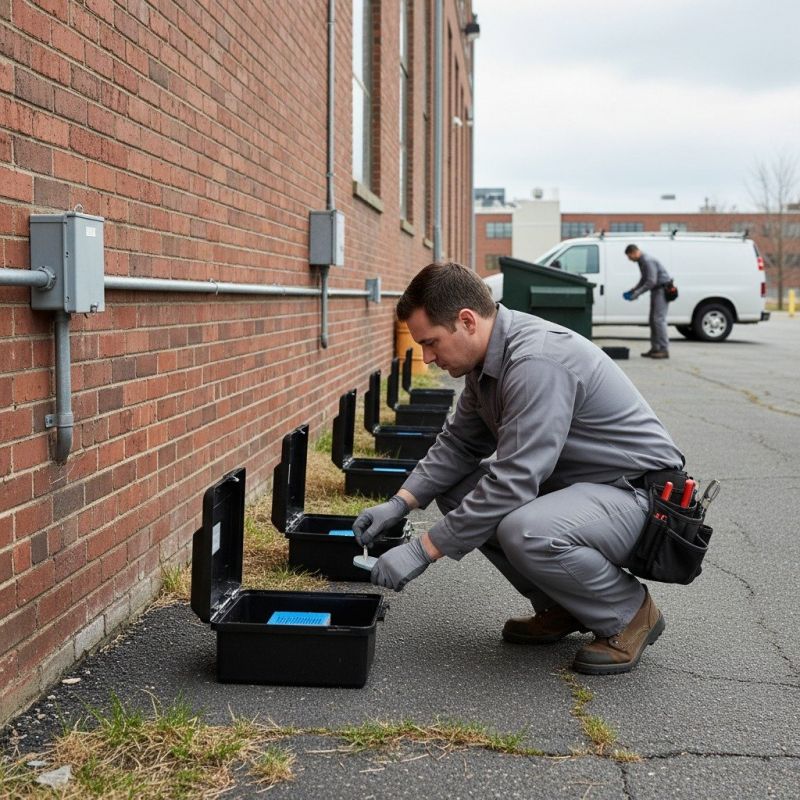
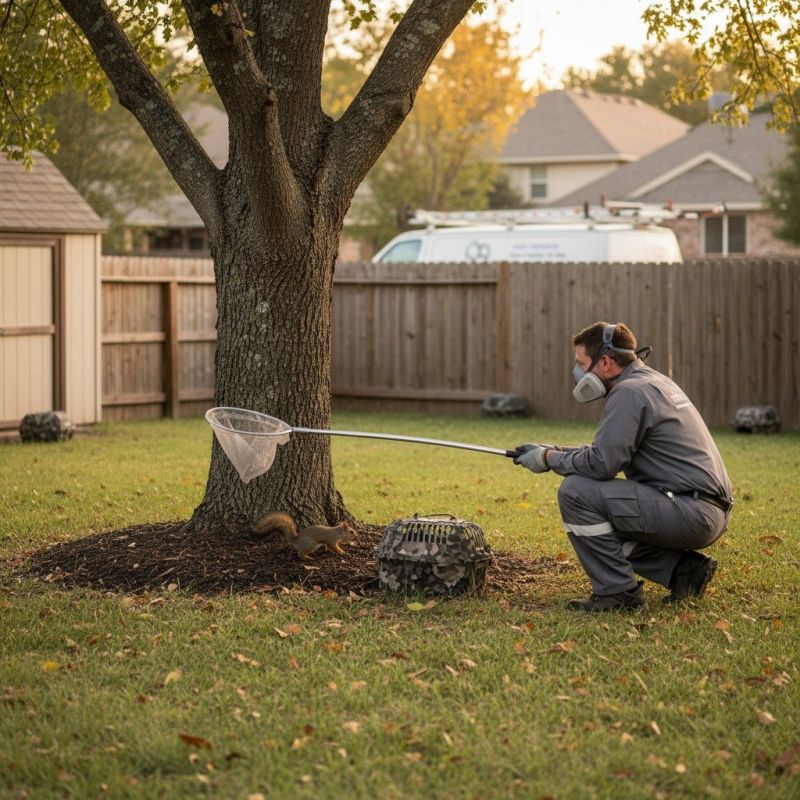
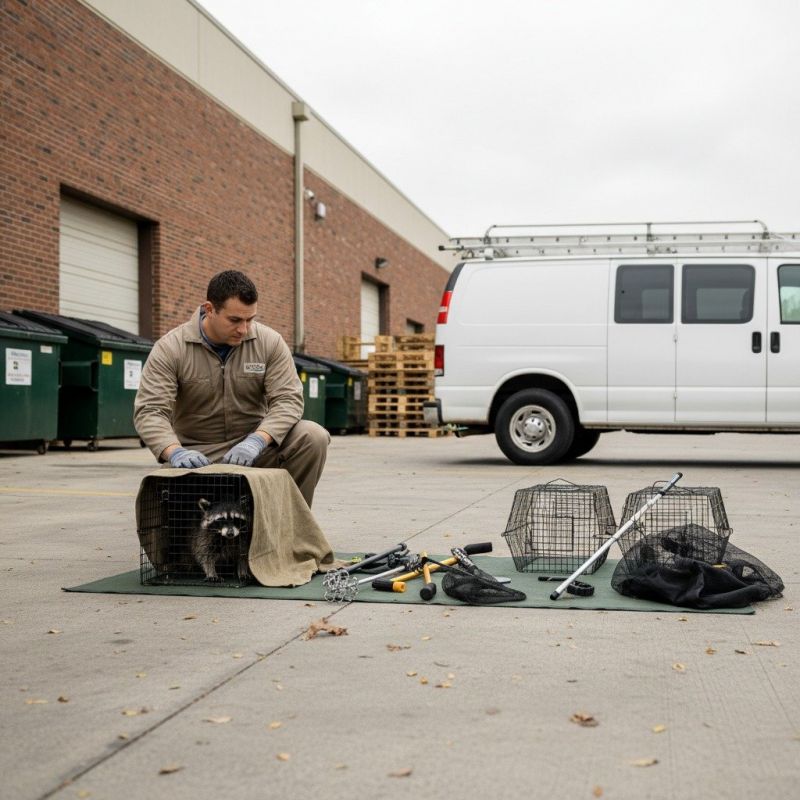
When people search for why commercial small animal control requires professional expertise, they often want to understand the complexities involved in managing pests such as rodents, raccoons, squirrels, or bats on business properties. These searches are typically driven by concerns about property damage, health risks, or disruptions caused by these animals. Business owners and property managers may be facing ongoing issues with animals entering buildings, nesting in difficult-to-reach areas, or causing contamination, prompting them to seek out specialized solutions. Recognizing that these problems are not simple nuisances helps clarify why professional service providers are essential for effective and safe control.
The scope of commercial small animal control often relates to plans for property maintenance, pest prevention, or damage mitigation. Many property owners are looking to develop strategies that prevent animals from returning after removal, which involves identifying entry points, securing vulnerable areas, and implementing ongoing monitoring. Problems can also include structural damage from animals nesting or gnawing, as well as health concerns related to droppings and potential disease transmission. For these reasons, a comprehensive approach that combines removal with property repairs and exclusion techniques is necessary-something that requires the expertise of experienced service providers who understand the behaviors and habitats of different animals.
Certain types of properties are more likely to encounter issues with small animals, including commercial warehouses, retail centers, office buildings, and industrial facilities. These properties often have large, accessible roof spaces, storage areas, or structural gaps that animals can exploit for entry and nesting. Food production facilities, in particular, face strict regulations regarding pest control, making professional intervention critical. Additionally, properties with extensive landscaping or nearby wooded areas may attract wildlife seeking shelter or food sources. Local service providers who specialize in commercial small animal control understand the unique challenges these properties present and have the knowledge to implement targeted, effective solutions.
Understanding why commercial small animal control requires professional expertise helps property owners see the importance of relying on experienced service providers. These professionals bring specialized knowledge of animal behaviors, entry point identification, and exclusion techniques that go beyond basic pest removal. They can assess the specific needs of each property, develop tailored plans to eliminate existing problems, and prevent future issues. For property owners, partnering with local contractors who have experience in commercial settings ensures that small animal issues are addressed thoroughly and safely, minimizing risks and protecting the integrity of the property.
Wildlife exclusion projects - professionals use specialized techniques and tools to seal entry points and prevent small animals from accessing commercial properties, similar to the efforts needed in small animal control.
Pest proofing services - these projects involve identifying and blocking access points, requiring careful planning and expertise comparable to commercial small animal control tasks.
Building inspection and damage assessment - inspecting structures for animal entry points and damage aligns with the skills needed to evaluate and address small animal intrusion issues.
Rodent and pest habitat removal - removing nesting sites and habitats involves understanding animal behavior and environment management, relevant to small animal control efforts.
Structural repairs and sealing - repairing and sealing entry points requires precise work and knowledge of building materials, similar to the skills used in small animal exclusion projects.
Integrated pest management planning - developing comprehensive plans to control pests involves coordination and planning skills that are essential in professional small animal control services.
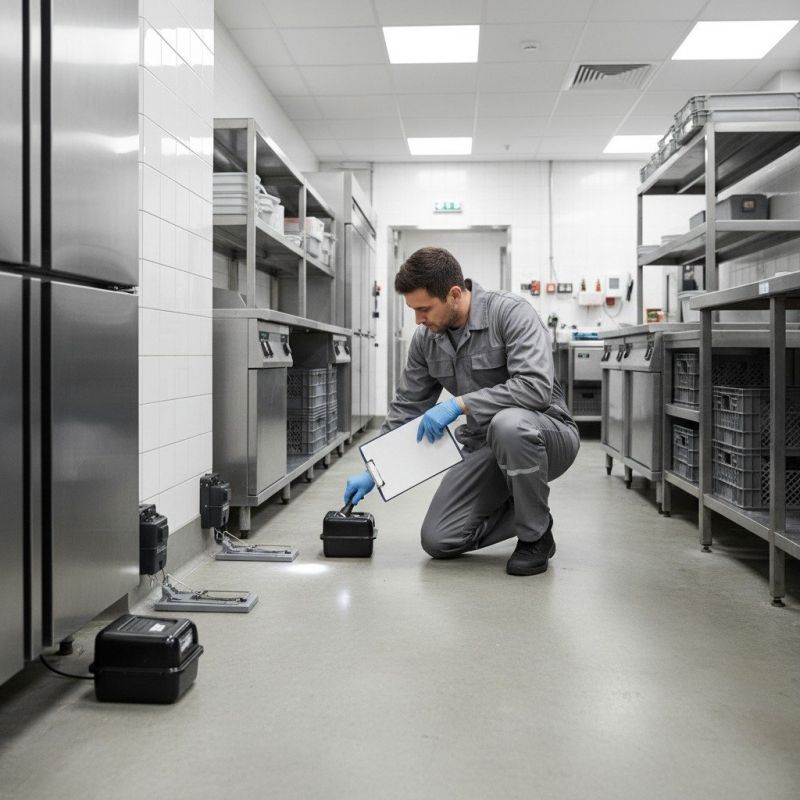
When evaluating service providers for commercial small animal control, it’s important to consider their experience with projects similar in scope and complexity. Contractors who have handled comparable commercial settings or specific types of animal issues are more likely to understand the unique challenges involved and employ effective strategies. This background can contribute to a more efficient and thorough approach, reducing the risk of recurring problems and ensuring the work aligns with the specific needs of the property.
Clear, written expectations are essential when choosing a service provider for small animal control. A reputable contractor should be able to outline the scope of work, methods, and any guarantees or follow-up procedures in a detailed written proposal. This transparency helps prevent misunderstandings and provides a basis for evaluating whether the service provider’s approach matches the requirements of the project. Well-documented expectations also serve as a reference point, ensuring that both parties are aligned throughout the process.
Reputable references and strong communication are key indicators of a reliable commercial small animal control provider. Speaking with previous clients or reviewing case studies can offer insights into the contractor’s professionalism, effectiveness, and ability to manage projects of similar size and complexity. Additionally, good communication-such as prompt responses, clarity in explanations, and willingness to answer questions-demonstrates a contractor’s commitment to customer service. These qualities help ensure that the project proceeds smoothly and that any concerns are addressed promptly, leading to a more satisfactory outcome.
Property owners often search for why commercial small animal control requires professional expertise when they are planning practical projects around their homes and businesses. Local pros provide Commercial Small Animal Control services for everyday jobs and straightforward project options.
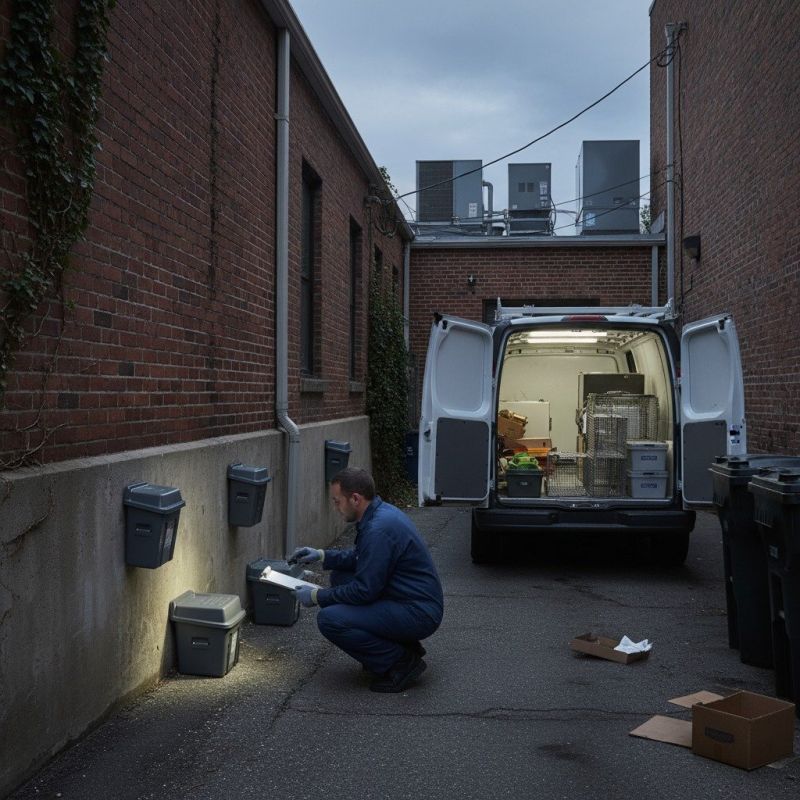
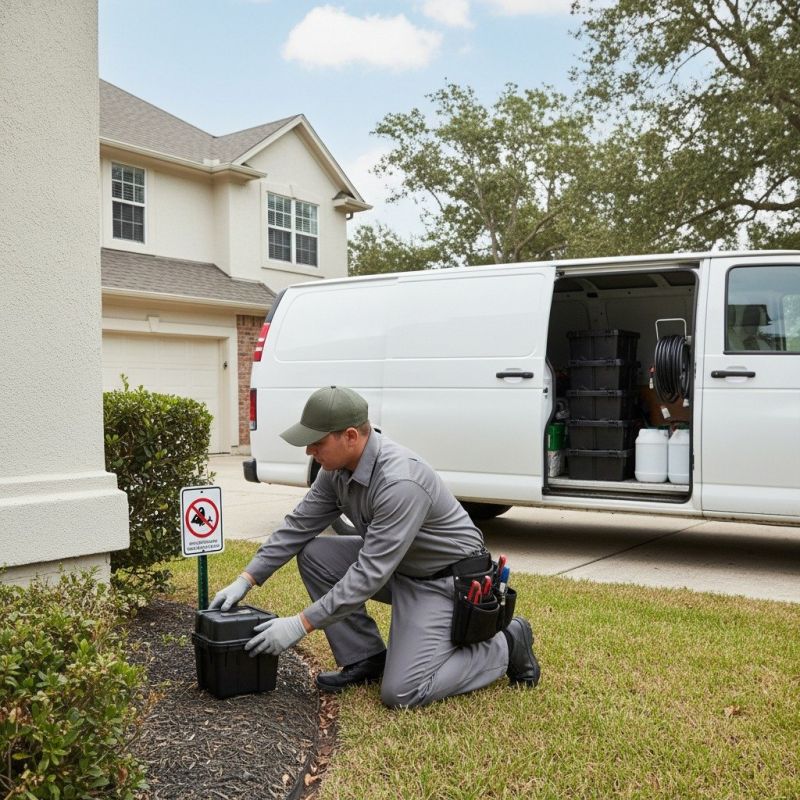
In many commercial properties, small animals such as rodents, raccoons, or squirrels can cause significant issues if left unchecked. Property owners often find themselves dealing with unexpected damage, foul odors, or signs of animal activity that threaten the integrity of their buildings. Addressing these problems requires a clear understanding of animal behaviors and the most effective removal techniques, which is why professional expertise is essential. Local contractors specializing in small animal control are equipped to handle these situations efficiently, ensuring that the problem is resolved thoroughly and safely without risking further damage or recurring issues.
Attempting to manage small animal problems without proper knowledge can lead to ineffective solutions or unintended consequences. For example, improper removal methods might cause animals to hide deeper within the property or create new entry points. Additionally, some animals may carry diseases or pose health risks if not handled correctly. Property owners seeking a reliable resolution often turn to experienced local service providers who understand the complexities of commercial small animal control. These professionals can assess the situation accurately, recommend appropriate strategies, and implement solutions that help protect the property long-term.
Why does commercial small animal control require professional expertise? Professionals have the experience to identify different types of animals and understand their behaviors, which is essential for effective removal and prevention in commercial settings.
What risks are involved if commercial small animal control is attempted without expertise? Without proper knowledge, there is a higher risk of animal escape, property damage, or injury to personnel, making professional handling crucial for safety and effectiveness.
How do local contractors ensure the job is done correctly for commercial small animal control? They use specialized tools and techniques tailored to the specific animals and property, ensuring humane and thorough removal while minimizing disruption.
Why is it important to rely on experienced service providers for commercial small animal control? Experienced providers understand local animal behavior patterns and legal considerations, which helps prevent recurring issues and ensures compliance with regulations.
What makes professional expertise essential in managing commercial small animal control issues? Professionals can accurately assess the situation, implement effective strategies, and reduce the risk of property damage or animal harm, ensuring a safe and successful resolution.
Understanding species behavior - local contractors apply knowledge of small animal habits to develop effective removal strategies tailored to specific situations.
Identifying entry points - professionals inspect properties to locate and seal access points that animals use to enter buildings, preventing future infestations.
Using appropriate tools and methods - experts select safe and effective techniques suited for different animals, ensuring humane and thorough control.
Ensuring compliance with regulations - service providers follow legal standards to handle small animal control projects responsibly and ethically.
If you are thinking about why commercial small animal control requires professional expertise for a property, this guide is meant to help you understand this topic, the typical project types, and how different options might fit your plans.
When you are ready, you can use the quote form on this page to share a few details about your project. From there, local pros can review the basics and follow up with options that match what you have in mind.